The morning training
About an hour of the stallions' daily schooling in the Baroque hall, with classical Viennese music, no commentary and no filming.
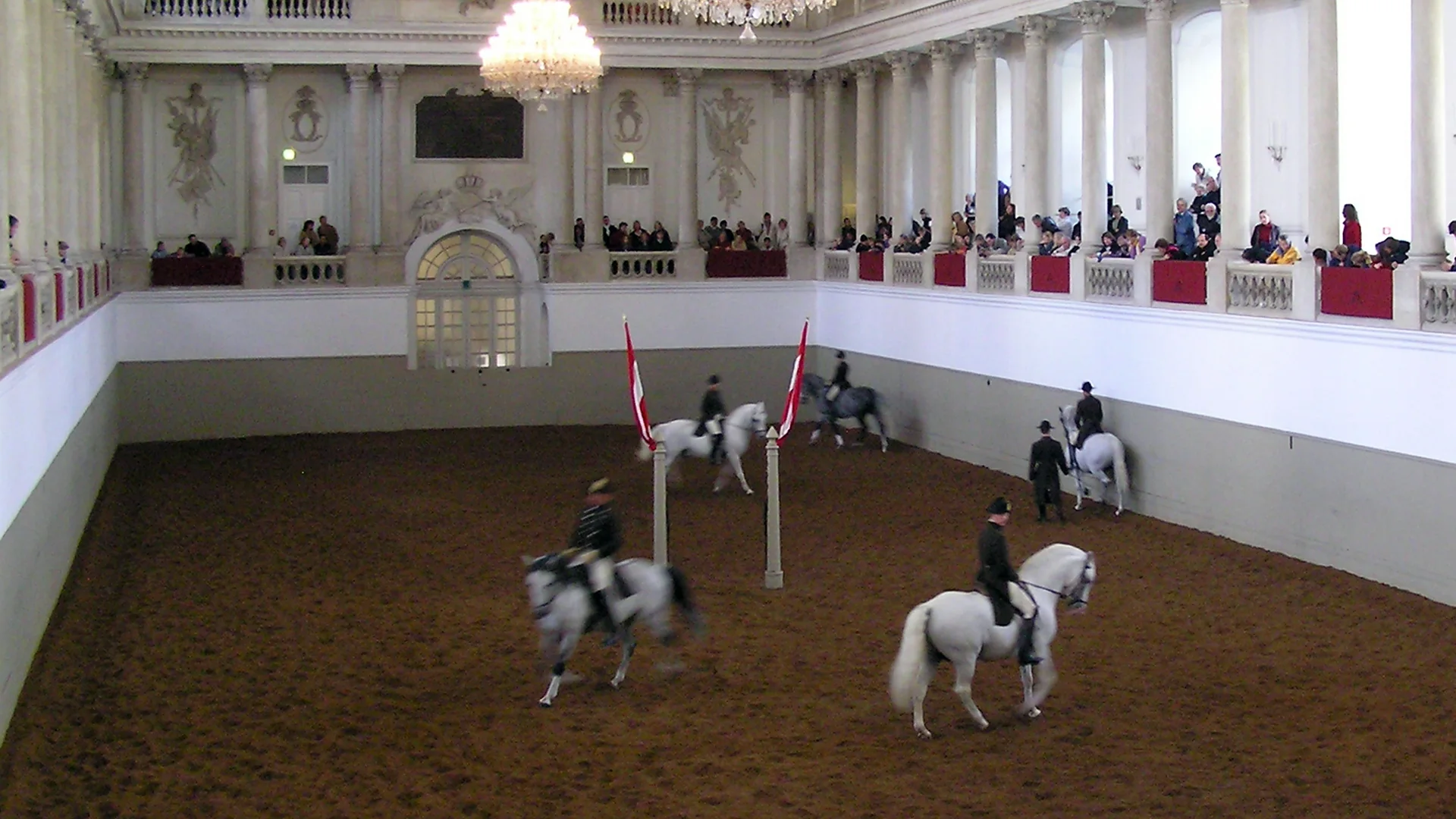
Hofburg · Vienna
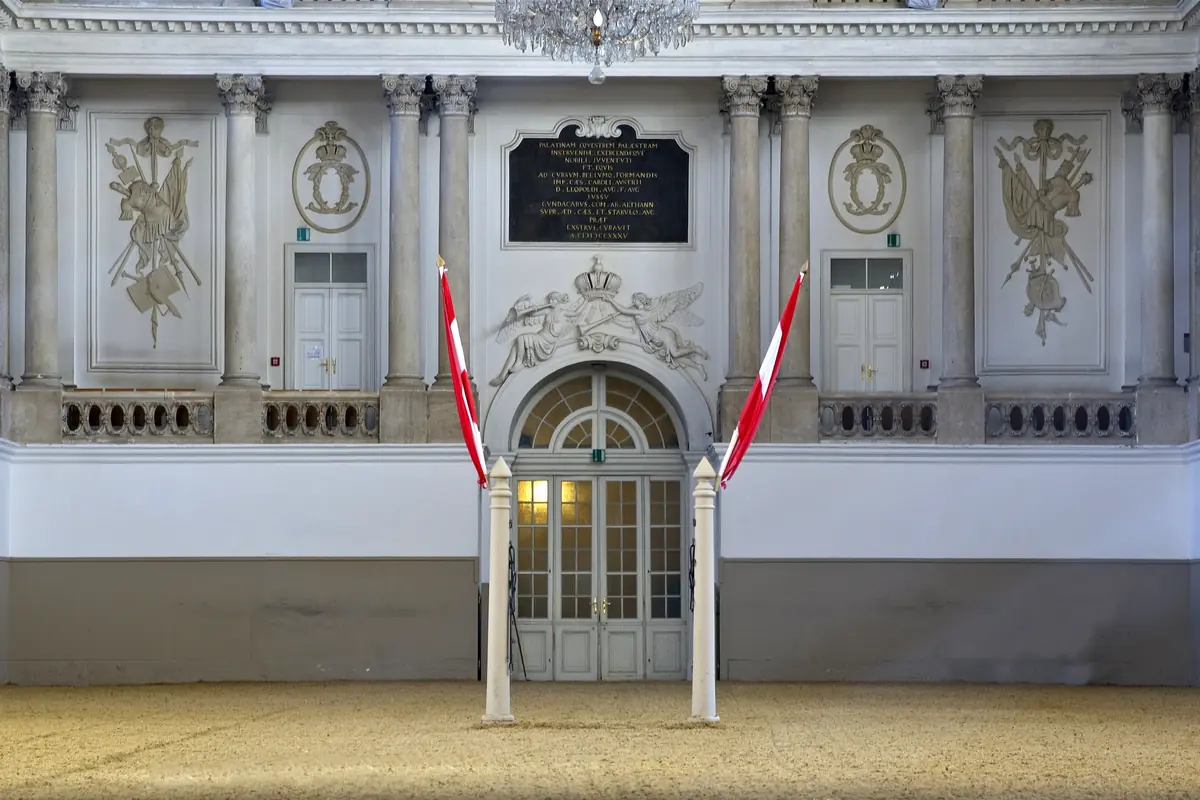
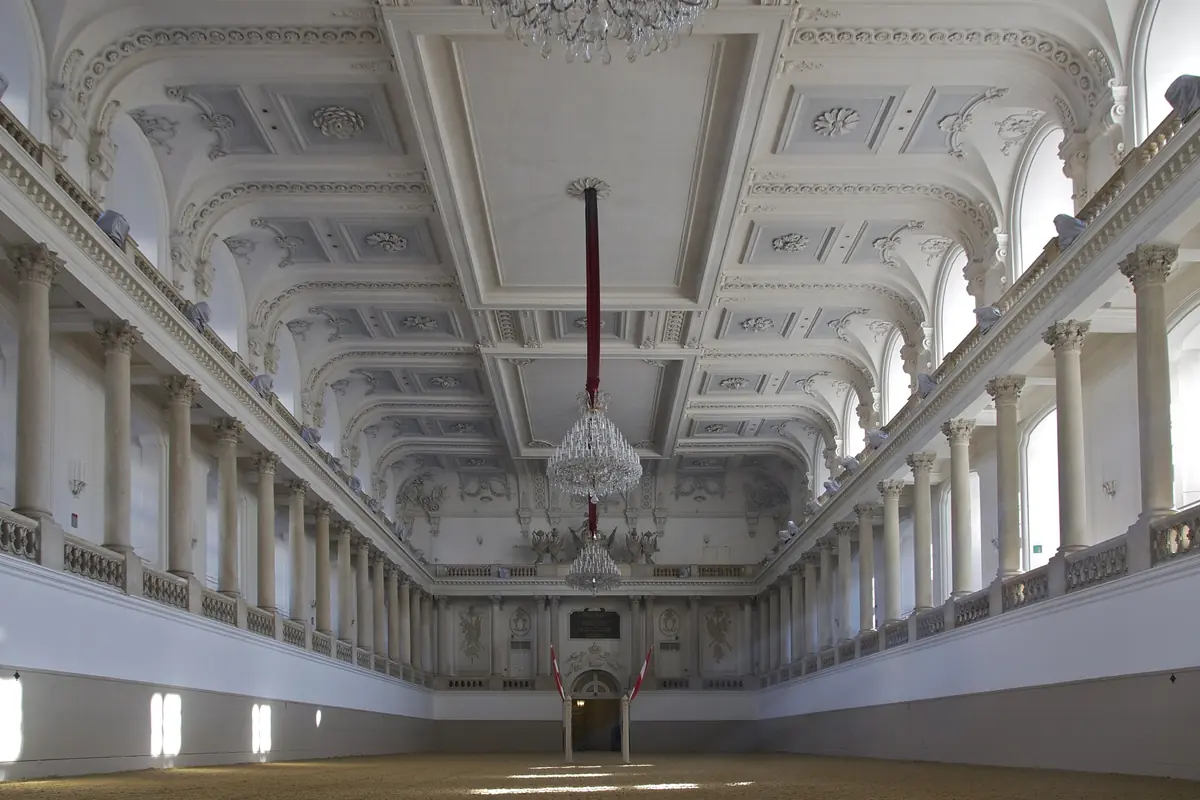
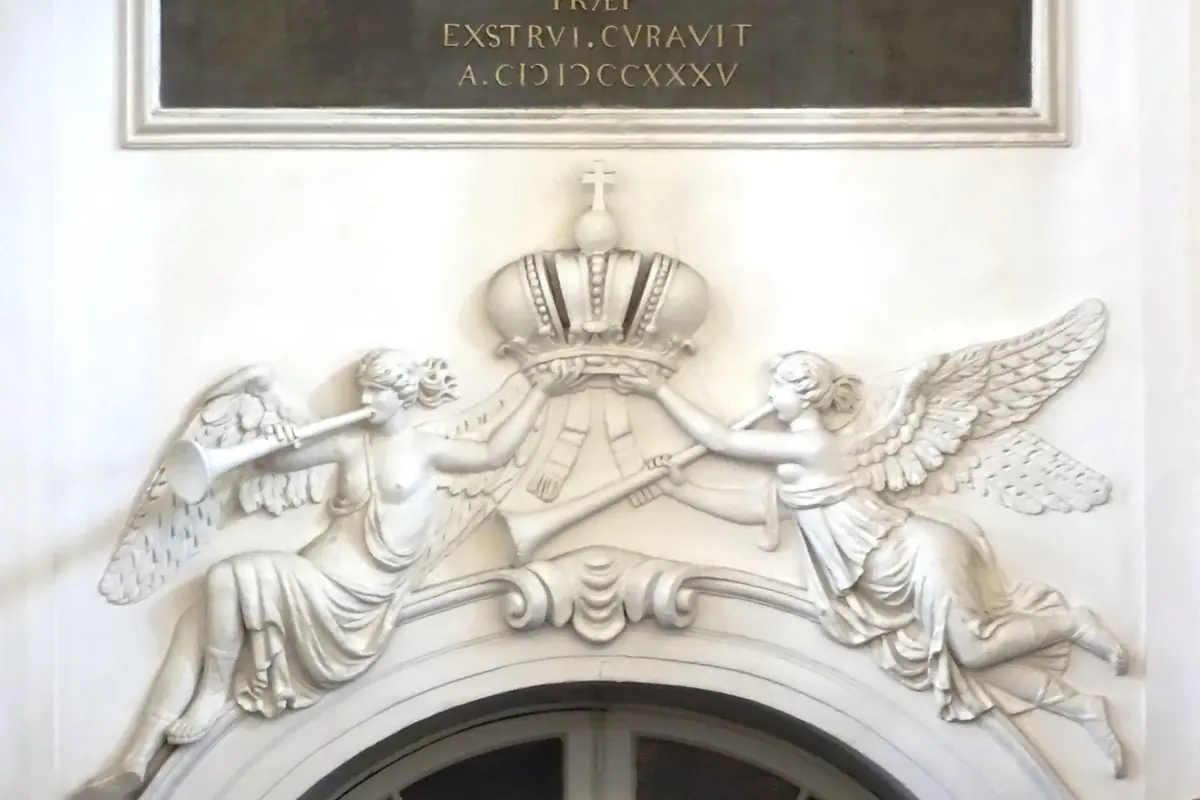
Riders school the stallions to classical music in the Baroque riding hall, finished in 1735.
Training runs on selected mornings only, so check the calendar before you plan your day.
The verdict first
Worth it if you want to watch skilled riders school Lipizzaner stallions in a Baroque hall for about an hour, and you accept that it is a training session, not the performance. There is no fixed programme, nobody gives commentary, filming is not allowed and the famous leaps are rarely shown. The booking page's 3.9 rating comes from visitors who expected a show. If you want the choreography and the jumps, wait for a performance and book that instead.
Five points to check before you book
The booking is for the public part of the horses' daily schooling. The exercises differ from day to day, the session lasts about an hour and it runs on selected mornings. Performances are a separate, choreographed programme.
The leaps called the levade, courbette and capriole belong to the performances. The riding school's own page says they are rarely shown in the morning session, so do not book it for them.
There is no commentary, only classical Viennese music while the horses work. Read the figures section below before you go and the hour will make more sense.
Visitors' reviews on the booking page point to people who expected a show and found a lesson. Judged for what it is, it is a different hour from the one the score describes.
Photography and filming are not allowed inside. Children aged 3 to 5 enter free on an adult's lap and under-3s are not admitted. Pets are not allowed, and the galleries are reached by stairs.
Training or performance
How classical riding is made
There is no commentary in the hall, so this is the reader's key: the breed, three movements, the jumps and the years behind them, drawn from the riding school's own pages and from Wikipedia.
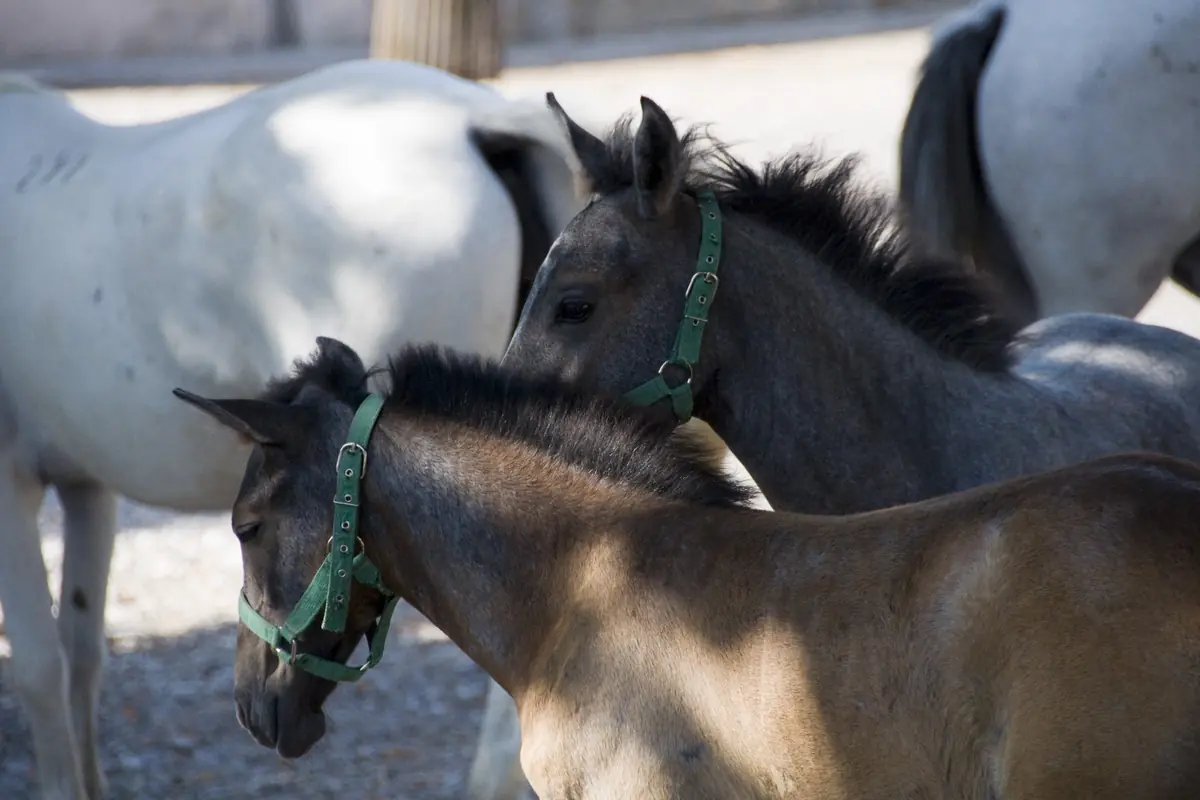
1580
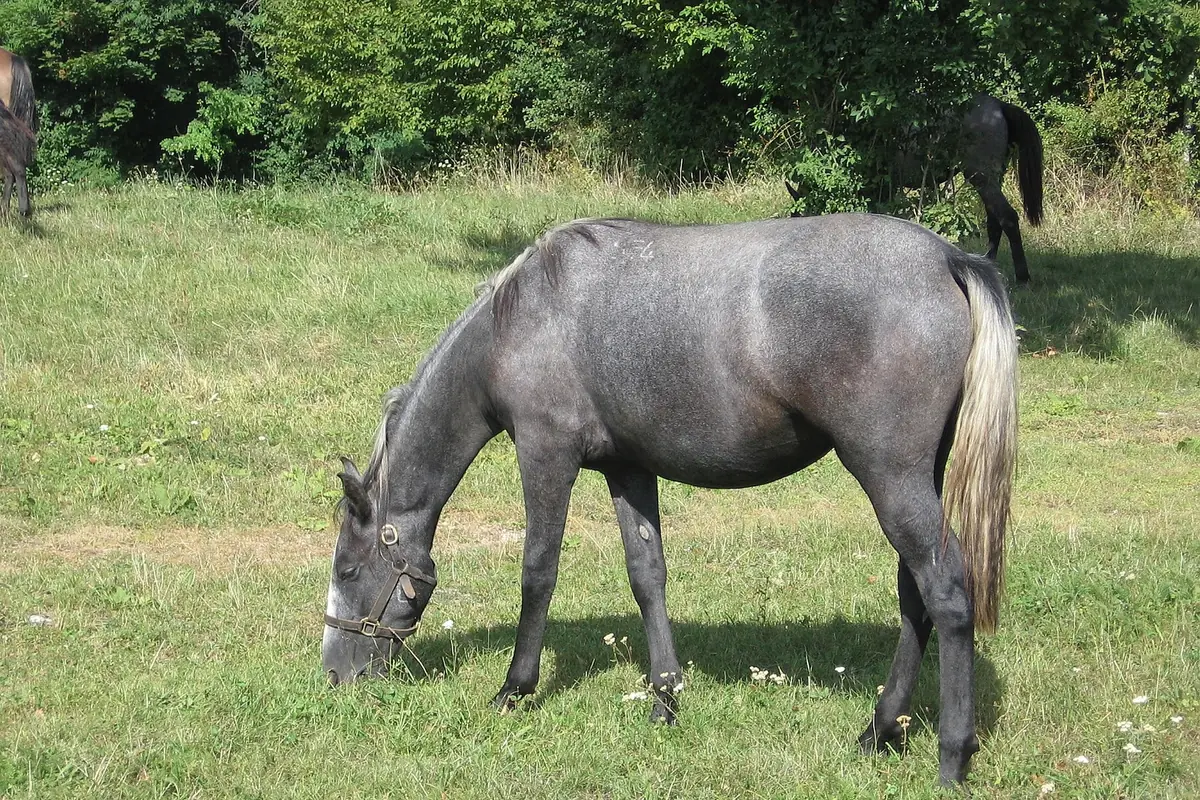
Archduke Charles II of Inner Austria founded a stud at Lipica, now in Slovenia, in 1580, and the breed took its name from the village. Lipizzaners are born dark, usually bay or black, and turn grey, a change complete by six to ten years of age. So the school's white stars are grey horses, and the young stallions are often still dark.
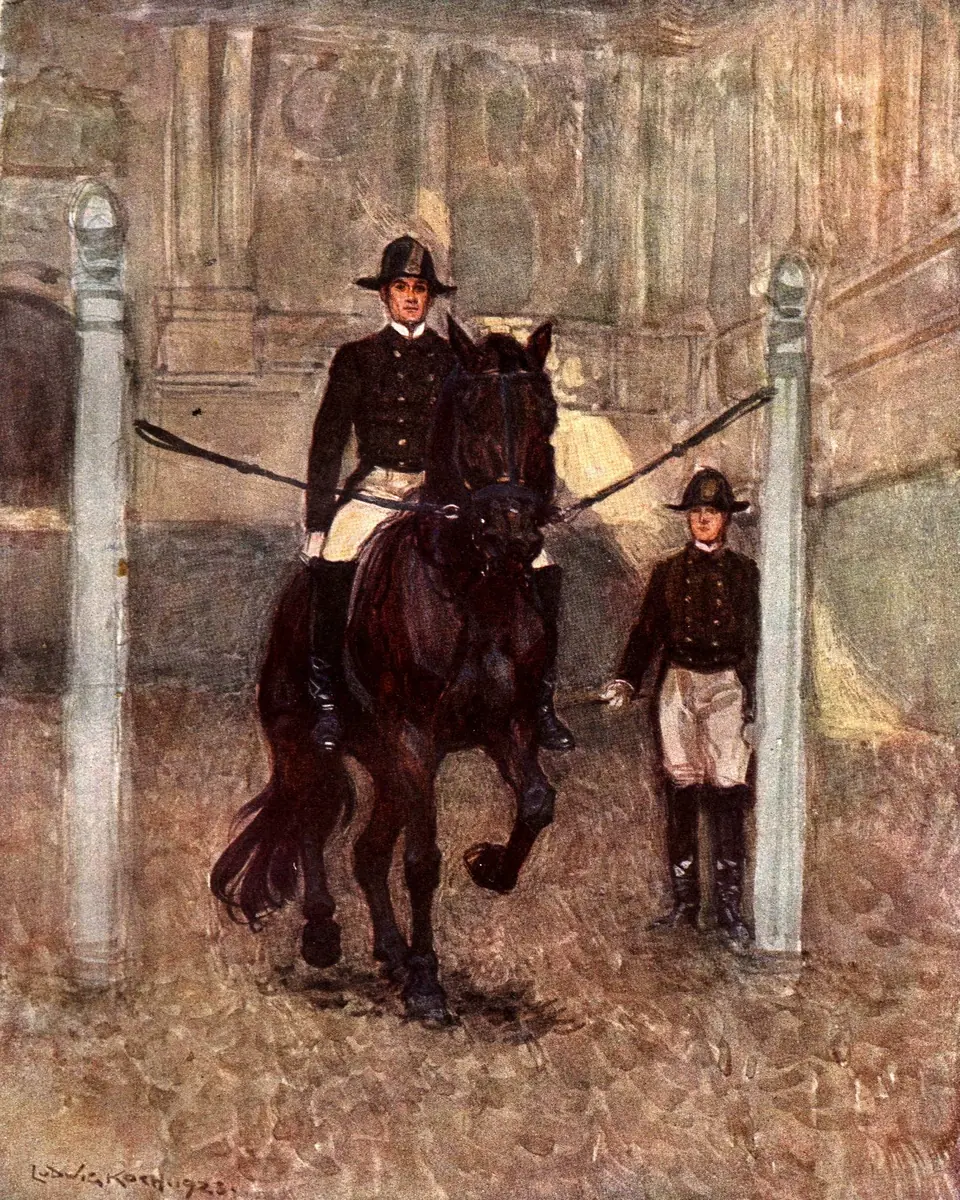
Piaffe
The piaffe is a highly collected, cadenced trot in place or almost in place. The hindquarters lower, the hind joints bend, and the front end stays light and free, with a moment of suspension between footfalls. It is needed to build the levade and the airs above the ground.
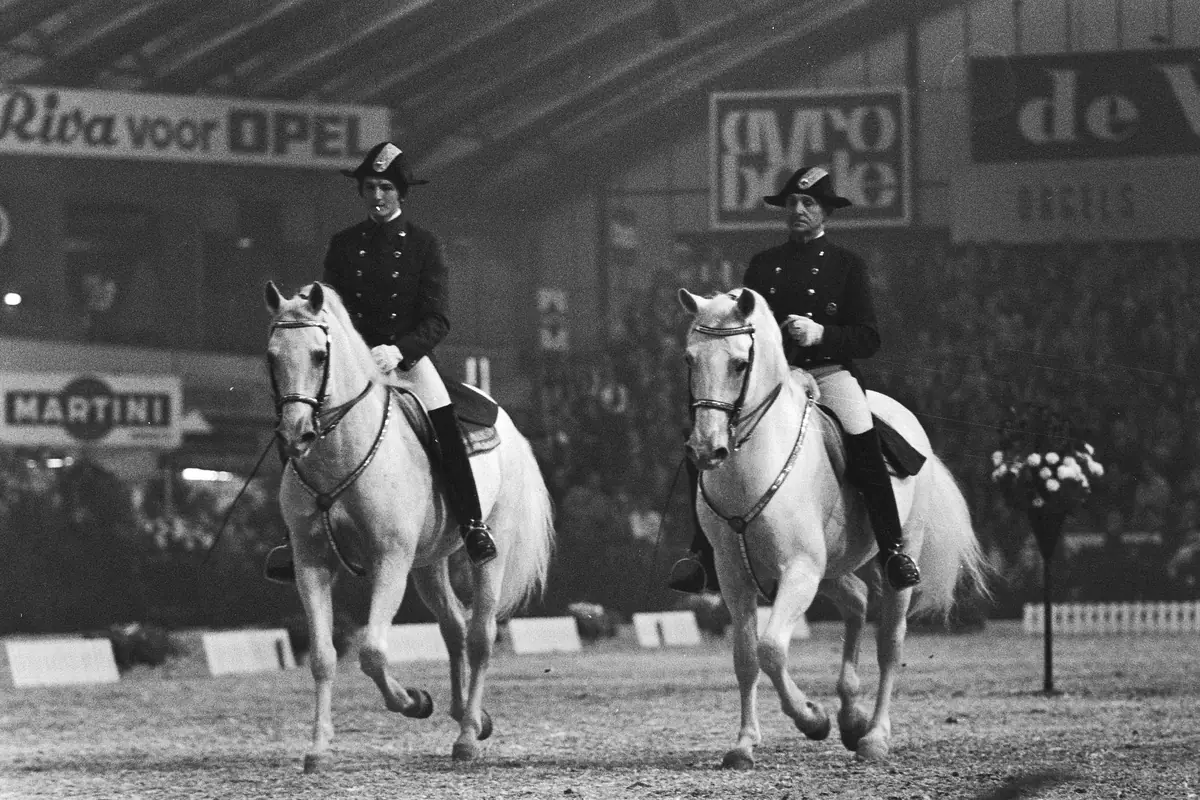
Passage
The passage is a very collected, very elevated trot. The horse lifts a diagonal pair of legs high and holds the leg in the air longer than in any other trot, so it appears to move in slow motion. A pirouette is a circle made by the front legs around the hind end, ideally almost in place.
Airs
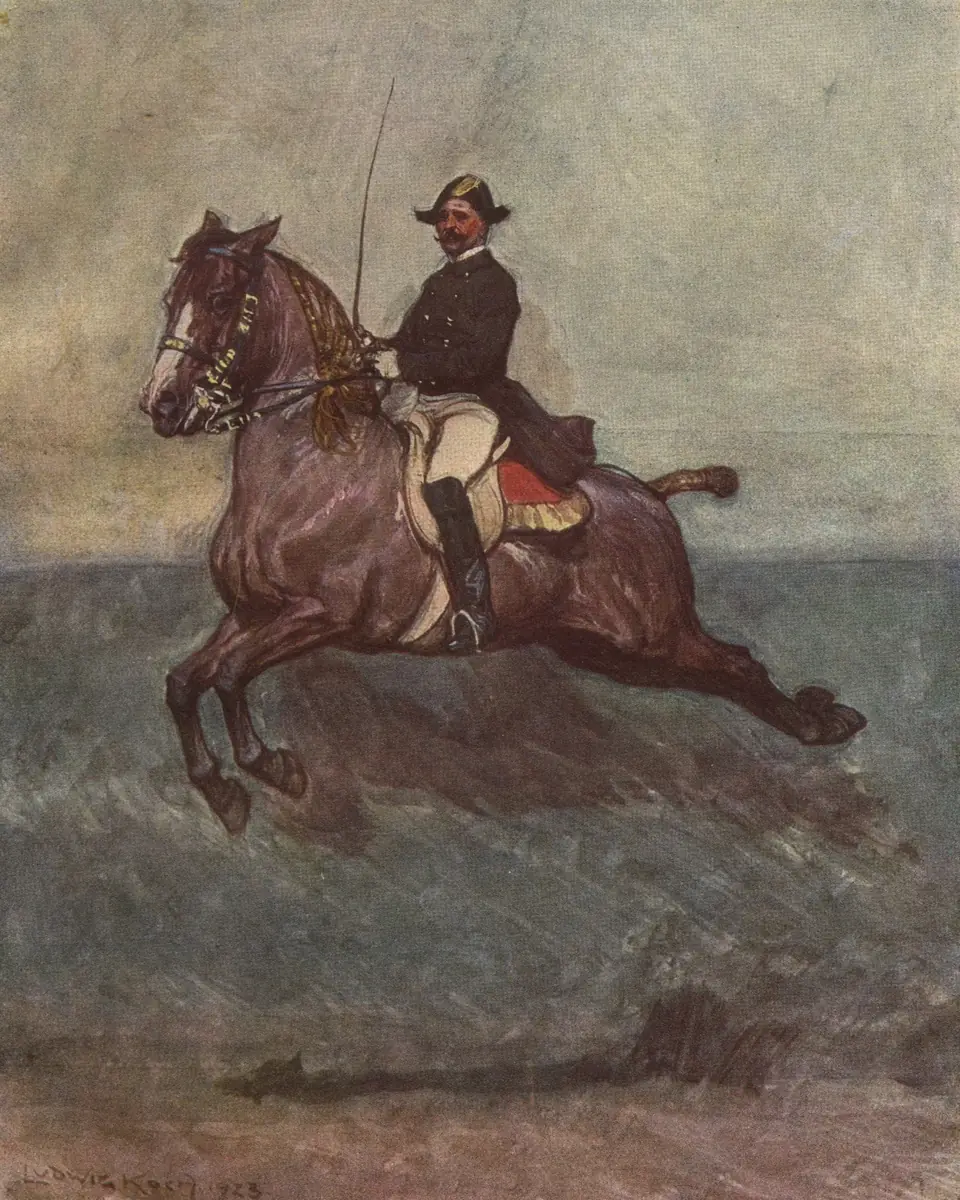
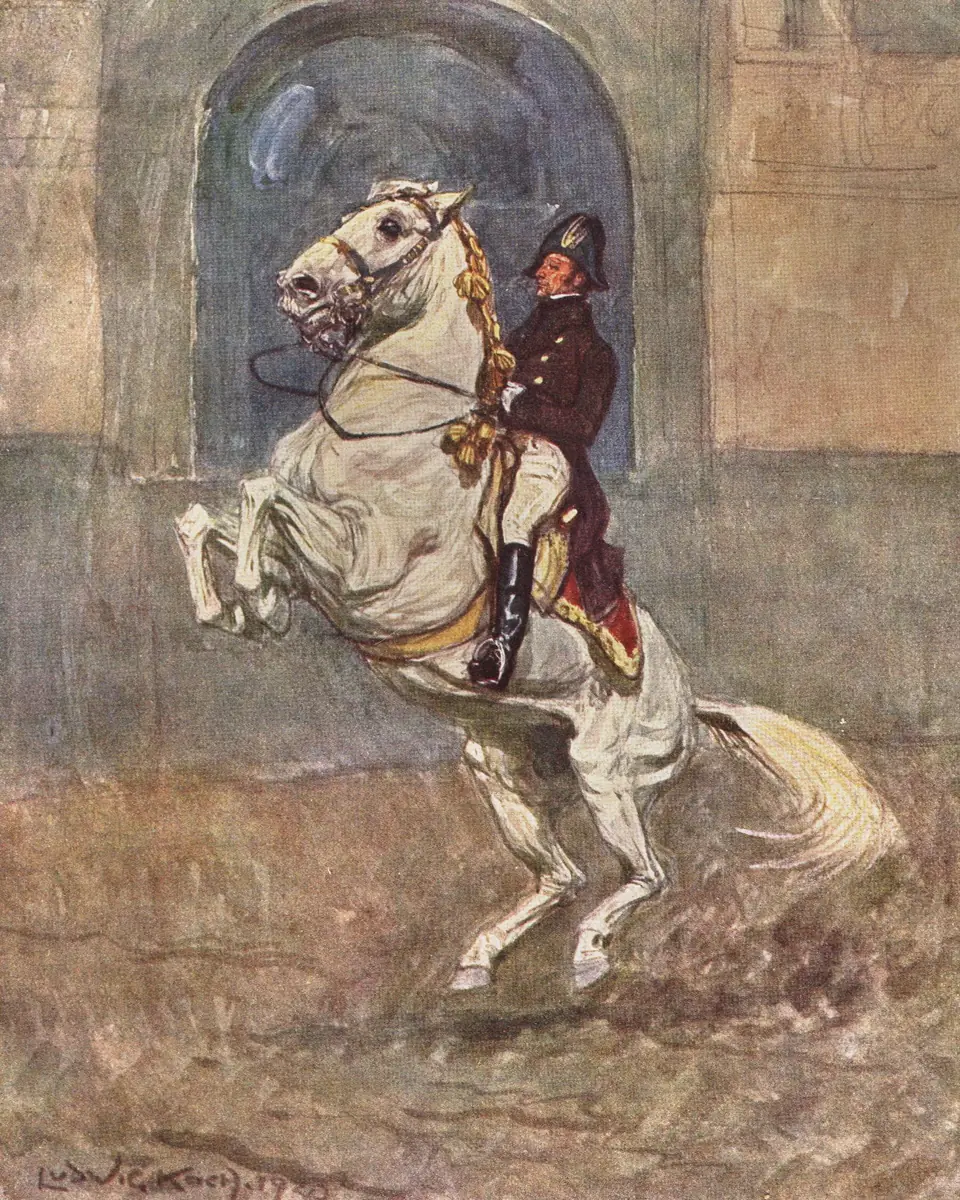
The airs above the ground are the school jumps: the levade, the courbette and the capriole. In the capriole the horse leaps and kicks out with its hind legs, the most difficult of all. They belong to performances, and are rarely shown in the morning session.
Years
Wikipedia says a young stallion is first brought to the riding school at four, that work on the longe lasts two to three months before a rider is ever placed on his back, and that bringing a young stallion from unbroken to the high school takes four to six further years once the rider is trained.
2022
In 2022 UNESCO listed Lipizzan horse breeding traditions as intangible heritage of humanity, in a joint submission by eight countries including Austria and Slovenia. What is listed is the breeding tradition, not any one hall or performance.
Sources: the English Wikipedia articles on the Lipizzan, the piaffe, the passage, the pirouette, the airs above the ground, the Lipica stud farm and the Piber stud, and the riding school's own history and morning pages.
From the entrance to the last exercise
The morning follows the horses' training, not a script, so the detail differs from day to day; your confirmation shows the start time and the entrance.
The hall is in the Hofburg, off the main-gate square. Your confirmation says which entrance to use, and tickets bought from outside sellers are collected at the riding school's ticket desk against the voucher.
There is no lift. Stairs lead up to the royal box and the galleries, and coats and luggage cannot be stored, so travel light.
The session shows the schooling of young stallions, many still dark, and of the fully trained grey school stallions, with exercises that differ each day.
Classical Viennese music accompanies the work. Nobody explains it, and filming is not allowed, so you watch.
The hour ends without a bow or an encore, because it is training. Walk back out through the main-gate square and make your next plan a slow one.
The ticket, the hall and the rules
The essentials as the booking page and the riding school's own pages give them. Where the two differ, the stricter rule is the one to follow.
Watching or walking round
Book the morning, then fill the rest of your Vienna day
Put the training first. Beside it on this page are the guided tour, which is the better pick if you want explanations, and two walking tours of the city for the rest of the day.
About an hour of the stallions' daily schooling in the Baroque hall, with classical Viennese music, no commentary and no filming.
About 55 minutes with a guide through the Winter and Summer Riding Schools and the Stallburg, a Renaissance building that is part of the Hofburg.
A walking tour of one and a half to two hours into basements in the city centre that are not open to the public.
A guided walk of about two and a half hours through the city on what happened in Vienna during and after the Second World War.
More to do in Vienna
Getting there and what to bring
The riding school's own advice is to walk in through the square at the Hofburg's main gate.
The riding school's page names the stations Stephansplatz, Herrengasse and Karlsplatz. Check a route planner for the line.
Its page lists the tram stops Kärntner Ring Oper and Burgring, and the bus stops Herrengasse and Habsburgergasse, with another at the main-gate square.
Your confirmation says where to enter and how to collect. Tickets from outside sellers are collected at the riding school's visitor centre against the voucher.
No lift. Coats and luggage cannot be stored, so leave bags at the hotel.
Dogs, cameras and recording equipment are not allowed. Bring a layer you can fold, and your confirmation.
Josefsplatz and the main-gate square lie either side of the hall, and the Stallburg stands next door. Walk the Hofburg block before or after.
The hall and the horses
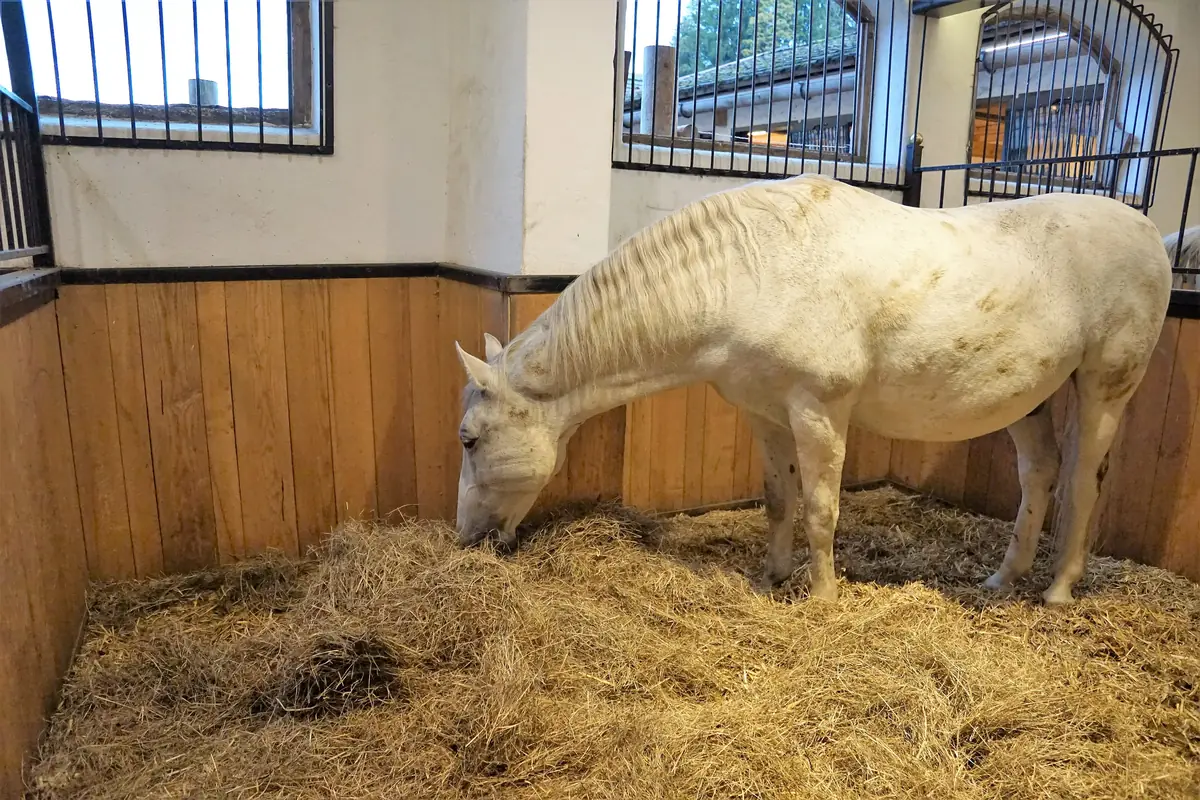
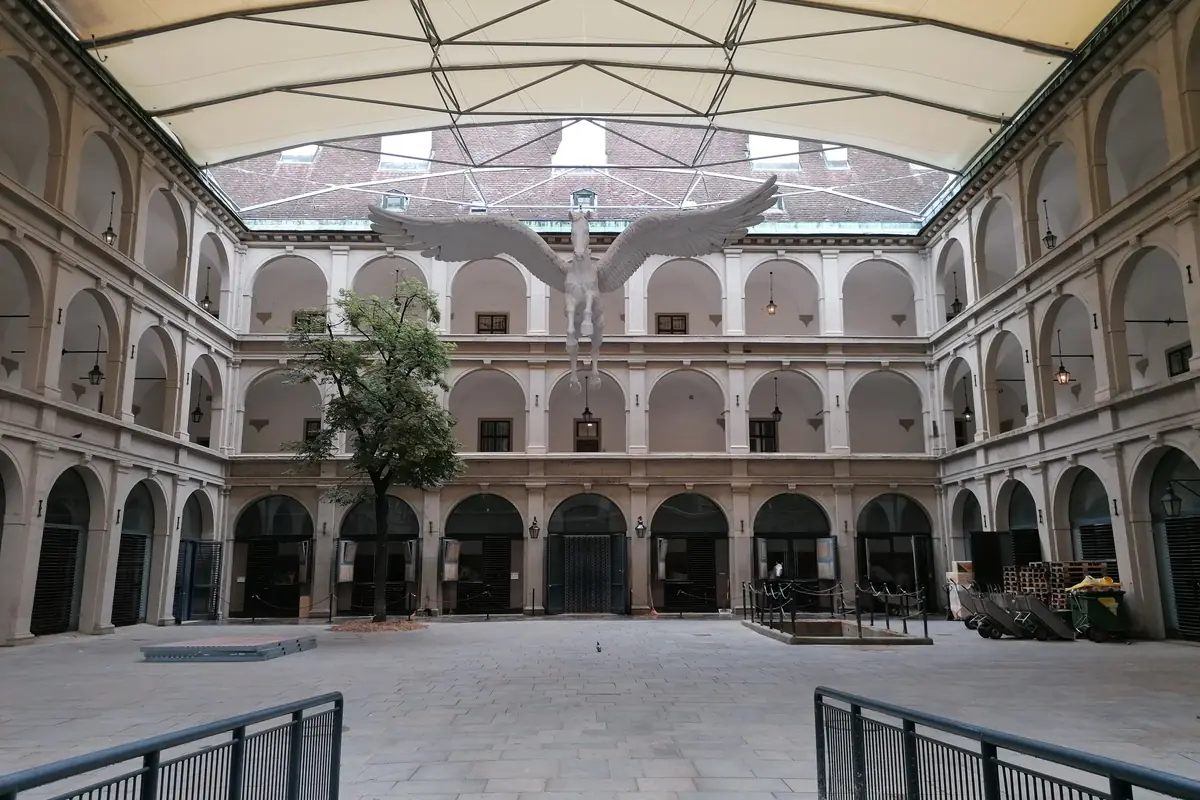
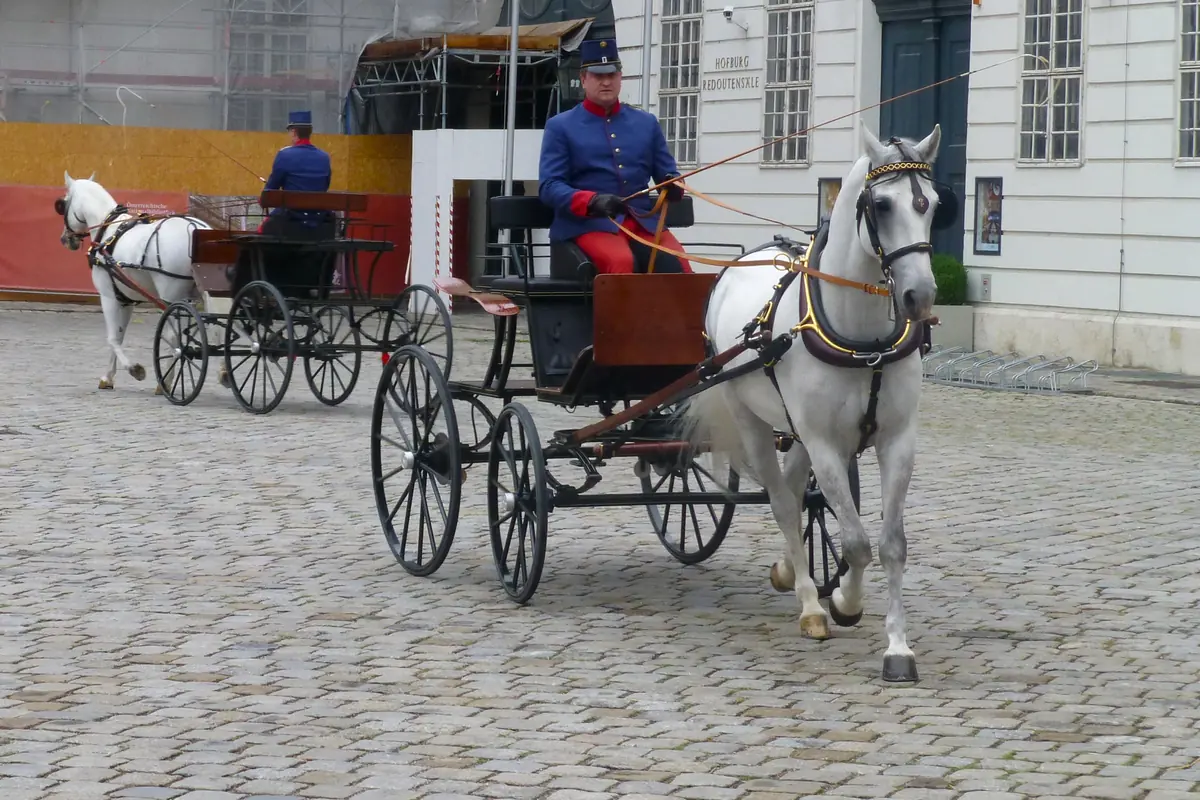
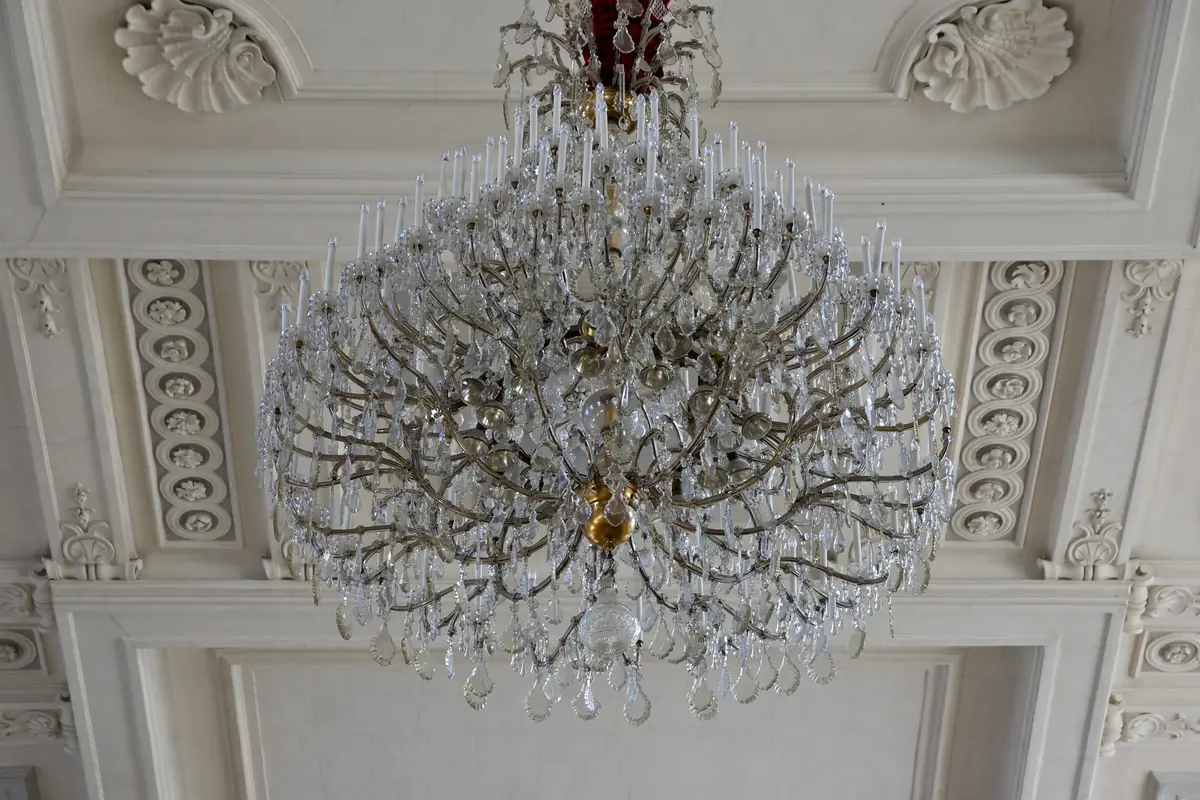
Photographs of the hall and its surroundings, and of the Lipizzaner's home stud. None of them shows this session, where photography is not allowed.
Useful before you choose a morning
FAQ
Worth it if you want to watch skilled riders at work in a Baroque hall and accept that it is training: no fixed programme, rarely any leaps, no commentary. If you want the choreography and the jumps, wait for a performance and book that instead.
Probably not. The school jumps belong to the performances, and the riding school's own page says they are rarely shown in the morning session, which keeps a balanced training schedule for the stallions.
Visitors' reviews on the booking page point to people who expected a show and found a training session. The rating describes that mismatch more than the horses. Judged for what it is, the hour can still suit you.
No. Photography and filming are not allowed inside, and the riding school's pages call the ban on cameras and recording equipment strict. Plan to watch rather than record.
There is no commentary. Children aged 3 to 5 enter free on an adult's lap, and children under 3 are not admitted. The hour is quiet, so it suits children who can sit still.
Dogs and other pets are not allowed, and there is no storage for coats or luggage. The building has no lift, and wheelchair users are asked to write to the riding school in advance.
The booking page shows free cancellation for this ticket. Read the terms for your chosen date before you pay, because they are the seller's to set.
No. Vienna Lipizzaner Guide is an independent guide. It sells no tickets of its own; every booking made from these pages is made with GetYourGuide.